 Closing
Board packages thicker than lease agreements. Pricing comps that don't live in public databases. Shareholders who close.
Average time to contract for our listings.
The borough median is 67 days. We move faster because we know the building, the board's preferences, and which buyers will sail through the approval process before the first showing is booked.
Financial Documentation
complexTwo years of federal tax returns, three months of bank statements across all accounts, brokerage and retirement statements, proof of any outstanding loans.
Employment & Income Verification
criticalCurrent employment letter, two recent pay stubs, and for self-employed shareholders, a CPA letter confirming business continuity and income stability.
Reference Letters
standardTwo to three personal references and two to three professional references — formatted precisely to the board's preferences, not generic templates.
Building Forms & Signatures
complexTen to fifteen co-op-specific signature pages, proprietary lease assignment, house rules acknowledgment, and subletting policy certification.
Board Interview Preparation
criticalWe brief every buyer on the building's culture, unwritten preferences, and the specific questions this board has asked in the last six submissions.
Of our listings clear the board on first submission.
The industry average is 71%. The gap is the board package. A rejection doesn't just lose a buyer — it signals to other buyers that something is wrong. We don't let that happen.
Above asking price, on average, across all our 2024–25 co-op listings.
In a market where renovated co-ops in Manhattan traded at $1.78M versus $800K for older units, staging and presentation aren't optional. They're the difference between a board-approved buyer at ask and three competing offers above it.
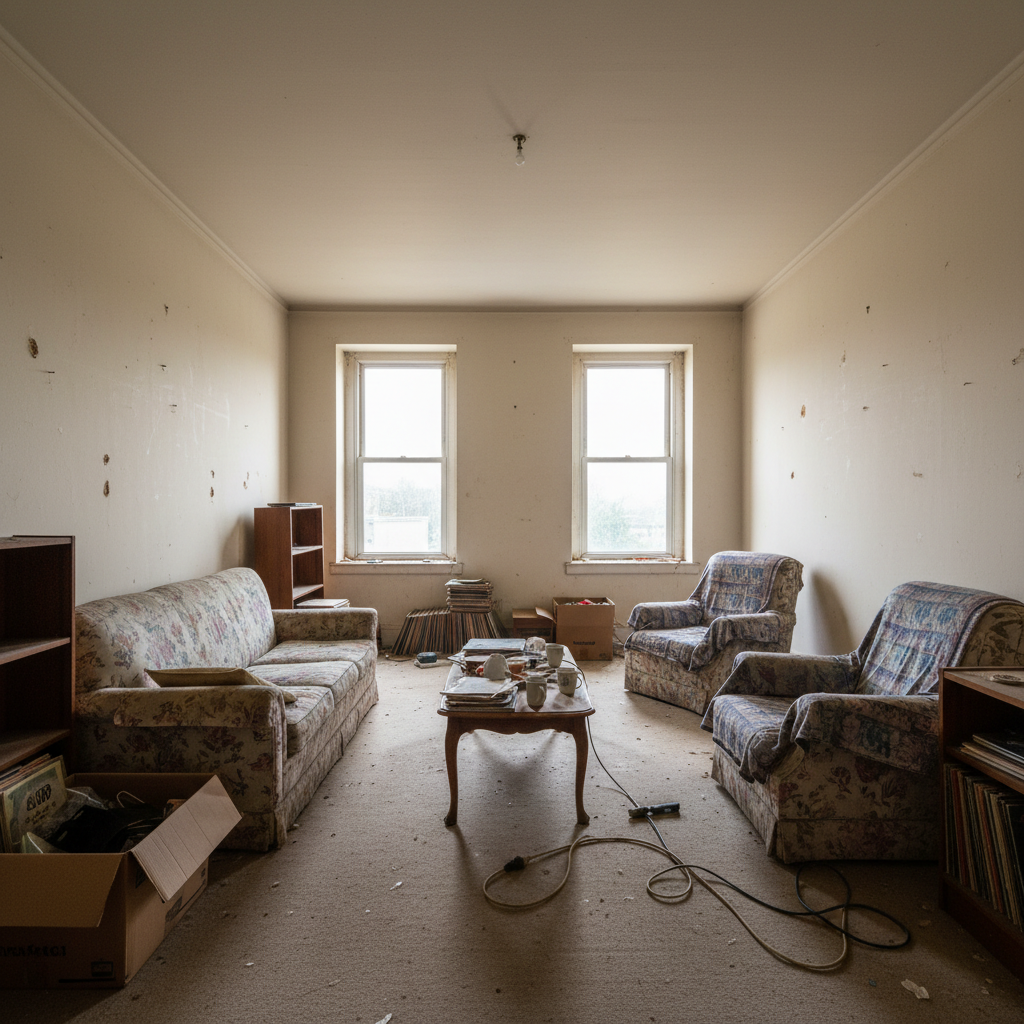

Kew Gardens Hills, Queens — Prewar six-room co-op. Listed at $485,000. Sold at $524,000 after 26 days on market. Board approved on first submission.
The call came on a Tuesday afternoon. The board had approved. After three months of uncertainty — the flip tax negotiations, the subletting clause, the package revisions — it was just one sentence. "You're cleared to close." I'd lived in that Riverdale six for twenty-two years. Knowing it was going to someone the building actually wanted — that mattered more than the number.

"We'd tried to sell eighteen months earlier with another broker. The board rejected our buyer and we never knew why. Closing told us exactly what went wrong and fixed every piece of it. Second time around, approved in six weeks."

"My mother passed and left a co-op with a complicated proprietary lease and a board that hadn't approved a sale in two years. The team navigated the estate documentation and the flip tax structure without a single delay. Closed in eleven weeks."

The number you need is not on StreetEasy.
Co-op pricing lives in whispered hallways and closed-door comps. We pull from the actual sales database, cross-reference your building's flip tax structure and sublet policy, and factor in board approval timelines that other brokers ignore. The consultation is thirty minutes. The number you leave with is real.
Comparable sales from your exact building and neighboring co-ops
Flip tax calculation and net proceeds estimate
Board approval timeline projection based on your building's history
Staging recommendations specific to your floor plan